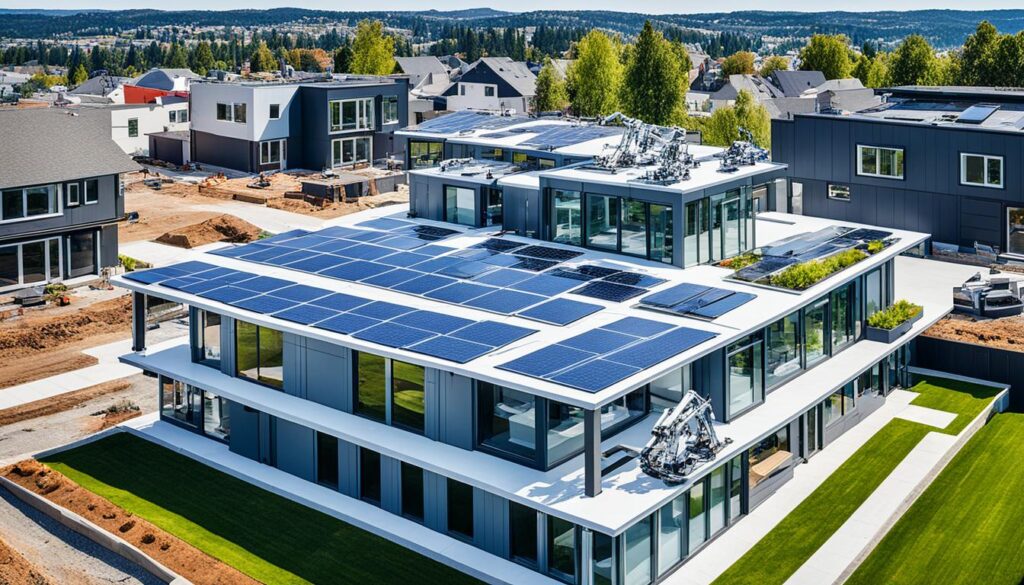

The way we build homes has stayed the same for over a hundred years. But now, new technologies, green practices, and smart designs are changing everything. This article looks at how these changes are making building homes different.
It talks about how homes and cars are coming together, brands moving into building homes, and the rise of self-driving experiences. It also covers how building homes is becoming more industrialized and how prefabricated homes are getting more popular.
Key Takeaways
- Innovative technologies are transforming the traditional home building process.
- Sustainable practices and smart designs are becoming increasingly important in home construction.
- The convergence of homes and vehicles is shaping the future of the industry.
- Brand extension into residential development is a growing trend.
- Autonomous experiences and industrialized construction are redefining the home building process.
- Prefabricated homes are gaining popularity as a viable solution for the future of housing.
- Material science advancements are enabling new construction techniques and energy-efficient homes.
The Convergence of Homes and Vehicles
The lines between building homes and making cars are getting closer. This is because both fields are finding ways to make their products work better together. They’re using smart technology, saving energy, and building things in a way that’s good for the planet. Plus, they’re sharing new ideas from making cars and houses.
Sharing Energy
Now, homes and cars can share energy. Electric cars can charge at home and even give power back to the house. This makes using energy more efficient and cuts down on our need for the grid. It’s a big step towards a greener future.
Bringing The Pieces Together
The way we build homes is getting smarter, thanks to car-making tech. We’re using automation and building parts away from the construction site. This method, called industrialized construction, makes building homes faster, more precise, and cheaper. By combining the best from both worlds, we’re set for a future of homes that are smarter, use less energy, and are kinder to the earth.
Brand Extension into Residential Development
Luxury car brands are moving into real estate development. They’re using their reputation for quality to enter the luxury home market. Brands like Mercedes-Benz, Bugatti, Bentley, Aston Martin, and Porsche are now in the luxury home business.
This move lets these luxury car companies use their strong brand names in a new way. They’re making homes that match their high-end car standards. This is changing what luxury homes look like and feel like.
Combining car and real estate industries offers a new chance for luxury seekers. Now, people can live in homes that reflect the luxury of famous car brands. This brings a new level of prestige to living spaces.
This move helps these car giants earn more money and offer top-notch experiences. As more people want luxury homes, the mix of luxury cars and real estate is getting more popular. This trend is expected to grow in the future.
The Autonomous Experience
The future of home building is changing fast, thanks to new tech and smart homes. Just like self-driving cars are changing cars, self-managing homes will change how we live. Picture a home that changes to fit your needs, making your life easier every day. This is what the future of living looks like.
A Glance At The Future
New materials and smart tech are making homes smarter. These homes will use data to make life better and more efficient. They’ll control things like temperature, lighting, and even security, making your home smarter.
Thanks to new materials, homes will be more sustainable and flexible. Using things like biobased and recycled materials, homes can change and adapt easily. This mix of tech and materials is creating homes that are smart, changeable, and good for the planet.
Industrialized Construction Practices
The home building industry is changing fast, moving from old ways to new ones. This change is because of a need for more workers and to build faster and better. It also helps meet new building codes and green goals.
Now, more people are choosing prefabricated and modular homes. These homes are made in factories and put together on-site. This method cuts down on waste and shortens construction time. It makes homes more adaptable to new needs and rules about the environment.
This new way of building homes is set to meet today’s changing needs. It makes building homes faster and greener. The move to prefabricated and modular homes is changing the future of home building.
Home Building
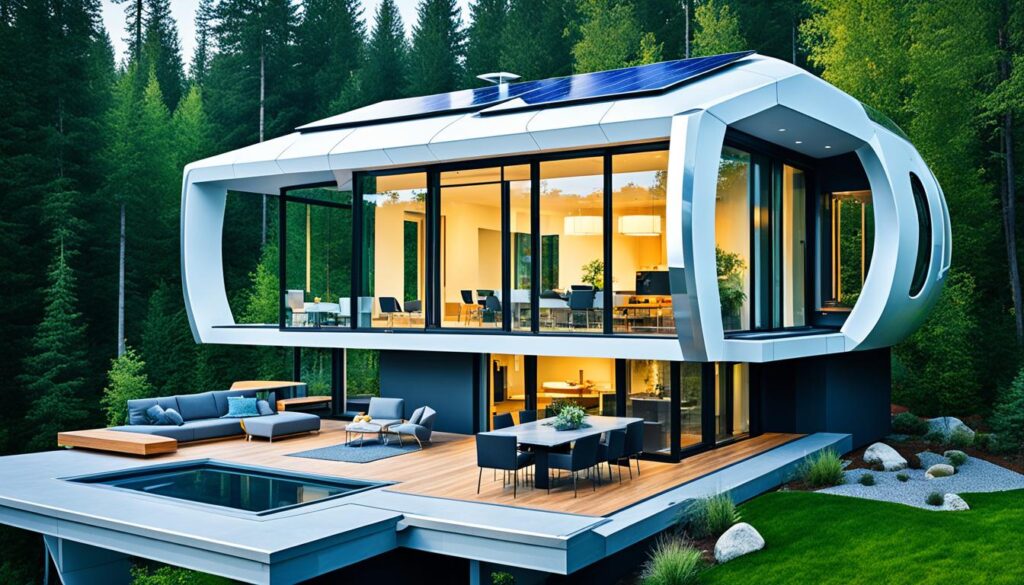
The world of building homes is changing fast. For years, building homes has stayed the same, but now, it’s time for big changes. Things like not enough workers, more people using ride-sharing, and wanting greener homes are pushing for new tech and ways to build.
As things change, it’s key for builders and makers to keep up with new trends. They need to be ready to change their products and how they work. This means adding smart home tech and using prefabricated building methods, changing the future of Home Building and Residential Construction.
New tech and materials are at the core of this change. Things like insulation that saves energy and wood that’s good for the planet are being used more. Also, automation and robots are making building homes quicker and better.
With these new tech and materials, the future of Residential Construction looks bright. Homes will be more efficient, green, and fit what people need today. Builders and makers who keep up with these changes will make sure homes of the future are just right for today’s living.
Prefabricated Homes: The Future of Housing
The world of Home Building is changing fast, and prefabricated homes, or “prefabs,” are leading the way. These homes are built mostly in factories, making them more efficient and green than traditional building methods. The idea of prefabs isn’t new, though. Sears Roebuck was selling pre-cut home kits back in the early 1900s.
Now, modern prefab companies are pushing the idea even further. They offer homes that look great and can be customized, just like traditional houses. Prefabricated Homes and Modular Construction are becoming popular for their efficiency and eco-friendliness. These homes can cut down on waste and save time during construction, making them a smart choice for many.
Pre fabs are not a new concept
Even though prefabricated homes might seem like something from the future, they’ve been around for a long time. In the early 1900s, Sears Roebuck made pre-cut home kits that were easy to put together on-site. This idea helped start the modern prefab movement, which keeps getting better and changing the Home Building world.
The Modern Pre Fab
The world of home building is changing fast, with prefabricated homes becoming a top choice. Companies like Cover and Proto Homes are at the forefront. They design and build modern, larger prefab homes that are efficient, cost-effective, and stylish.
Proto Homes Builds Modern, Larger Pre Fabs
Proto Homes is a leader in prefab homes, offering a new take on Residential Architecture. Their homes can have up to 4 or 5 bedrooms, a big step up from smaller modular homes. They claim their prefab homes are 50% cheaper and 50% quicker to build than traditional ones.
This makes them a great choice for those looking into Home Building and Sustainable Construction. Proto Homes is changing the game with their focus on prefab and modular construction. They’re making modern, eco-friendly homes more accessible to everyone.
Material Science Advancements
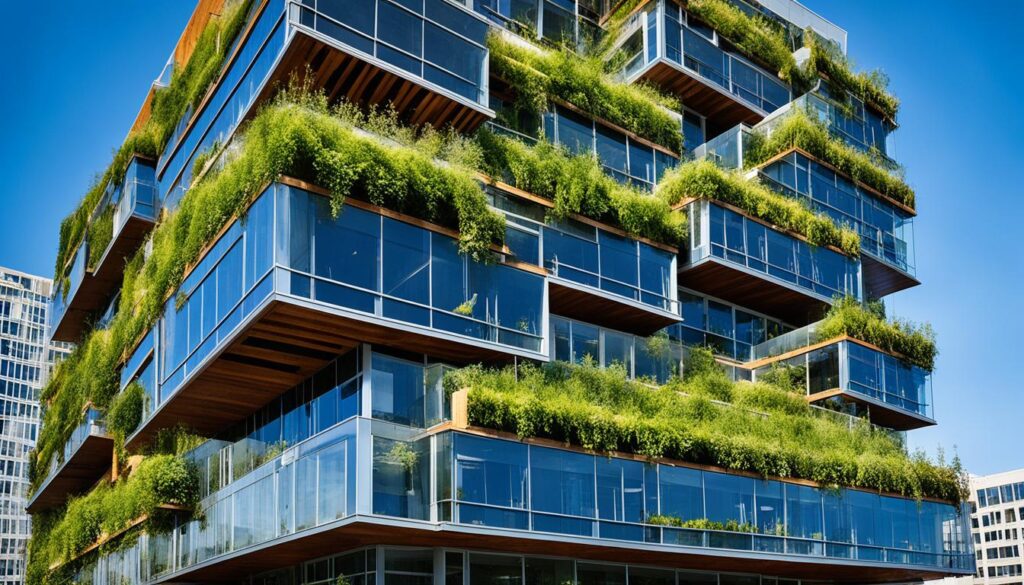
Home construction is changing fast, thanks to new discoveries in material science. Now, we’re using biobased materials like bamboo and hemp for building homes. These materials are better for the planet. Researchers are also mixing recycled materials from cars and buildings to make stronger building materials.
This new way of building homes is not only better for the environment. It also makes homes last longer and work better. By using the latest in material science, we’re making homes that will change the future of living.
Bamboo and hemp are becoming big in home building. They’re strong, flexible, and good for the earth. As we all want to live greener, using these materials will grow, changing how we build homes.
But it’s not just about bamboo and hemp. Scientists are finding ways to mix recycled materials from cars and buildings. This creates materials that are tough and kind to the planet. It’s a big step towards making homes that are good for now and the future.
Transitioning from Traditional Construction Methods
The home building industry is changing fast, moving from old ways to new, efficient ones. Things like labor shortages and the popularity of ride-sharing are pushing for new tech and methods. This includes using prefabricated and modular construction.
As things change, it’s key for builders and manufacturers to keep up. They need to adapt their products and methods to the new trends. This change can make building homes better, more efficient, and greener.
Switching to new construction ways brings many advantages. It means building homes faster, with better quality, and being able to change with market needs. By using industrialized and modular construction, builders can make homes that fit today’s living needs. They can also reduce the harm to the environment that old building methods cause.
The Future of Home Building
The home building industry is changing fast, thanks to new technologies, green practices, and smart designs. We’re seeing homes and cars merge, more autonomous living, and prefabricated homes becoming popular. This marks a new chapter in building homes.
Manufacturers, builders, and buyers need to keep up with these new trends. By combining Home Building with new technologies, we’re getting homes that are more efficient and use less energy. Sustainable materials and green building methods are key, making homes better for the planet.
Smart Home Design is also on the rise, blending technology with our living spaces. This means homes that can adapt and change to fit our needs. By adopting these changes, we can make home building more efficient, green, and high-tech.

