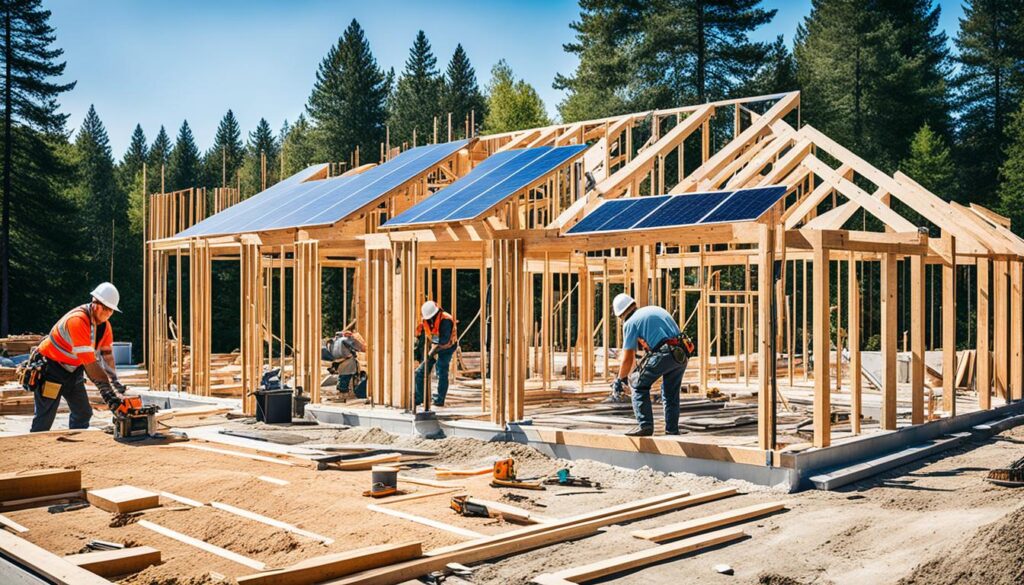

Building a new home is a big financial step. It’s important to find ways to make your dream home without spending too much. This article will share tips and strategies to help you build your home on a budget. We’ll cover everything from understanding costs to using smart engineering to save money. This way, you can make your project fit your budget without losing quality.
Key Takeaways
- Understand the cost breakdown of home building to identify areas for potential savings.
- Implement value engineering strategies to reduce costs without sacrificing the overall quality of your home.
- Carefully consider the selection of materials, finishes, and fixtures to balance quality and cost-effectiveness.
- Collaborate closely with your builder to identify cost-saving opportunities and maintain effective communication throughout the construction process.
- Explore pre-designed home plans and stock designs to reduce architectural and engineering fees.
Home Building: The Cost Breakdown
When looking at home building costs, it’s key to know the different expenses. Building a new home has several main parts, each important for the construction expenses.
Land and Infrastructure Costs
The cost of buying the land and setting up infrastructure is 20-25% of a new home’s price. Half of this is for things like utilities, driveways, and other needed infrastructure.
Building Materials and Labor
Building materials, like the foundation, flooring, porches, and roofs, are 25-30% of the home building costs. Onsite labor costs are another 20-25%. Then, there are extra costs like general overhead and financing, which add up to about 6% and 2% respectively.
Knowing these costs helps homeowners plan and budget for their home building project. This way, they can make smart choices and get the most out of their investment.
Value Engineering: Strategies to Reduce Costs
Homeowners want to build their dream homes without spending too much. Value engineering is key in this process. It helps find ways to cut costs without losing quality or function. By using smart strategies, homeowners can make the most of their budget for their home project.
Reducing Square Footage
One way to save money is to think about the home’s size. Building up with a two-story design or choosing a smaller home can cut costs. This method uses less materials and labor and saves on land and infrastructure costs.
Choosing Stock Designs
Using a pre-designed stock plan is another smart move. These plans are tested and refined, so they’re more efficient. This means lower design fees and a smoother building process, saving homeowners money.
Simplifying Roof Systems
The roof can be a big expense in building a home. Choosing a simple roof design can greatly reduce costs. A single ridgeline with a shallow pitch is cheaper than complex roofs but still looks good and works well.
These value engineering strategies help homeowners build their dream homes without going over budget. Thinking about the home’s size, using stock plans, and simple roofs can make building more affordable and sustainable.
Budgeting for Key Areas
Building a home means you need to plan your budget well, especially for the kitchen and bathrooms. These areas can cost a lot, but you can save money with smart planning. This way, you won’t have to give up quality.
Kitchen and Bathroom Considerations
For the kitchen, think about choosing simpler appliances and features. Even though fancy models look appealing, you can find great alternatives that work well and are cheaper. Also, a soaking tub can be a good choice instead of a jetted tub. It’s cheaper but still very comfortable.
Avoiding Change Orders
Change orders can really blow up your budget during home building. They are changes made during construction that cost more. To avoid this, plan carefully and try not to change your plans during building. By sticking to your original plan and making smart choices early on, you can avoid extra costs. This helps keep your budget for the kitchen and bathrooms in check.
Home Building: Pre-Construction Planning
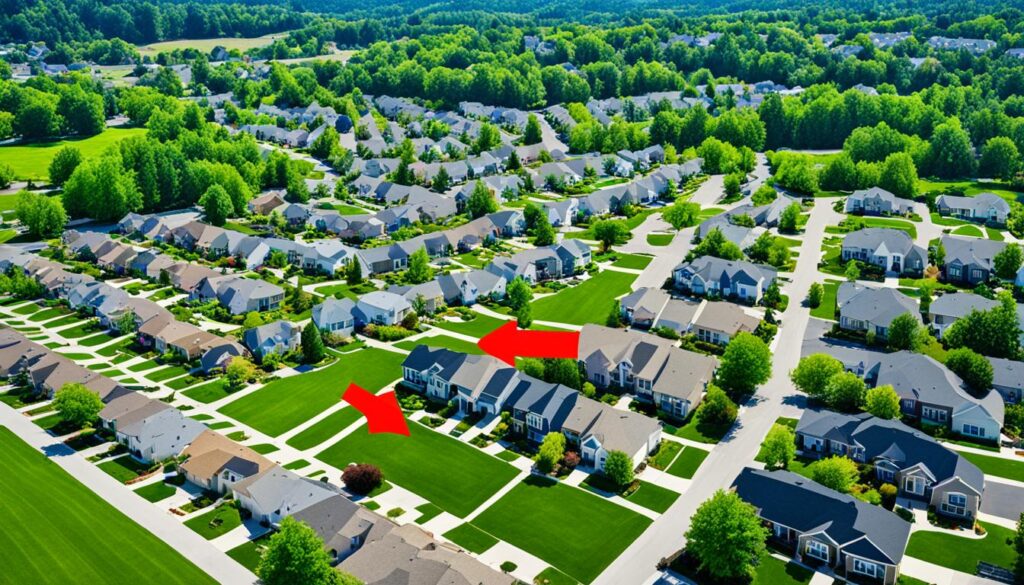
Before starting your dream home, planning the pre-construction phase is key. This stage sets the stage for a smooth and budget-friendly build. Think about your living space needs and the right lot selection.
Understanding Your Living Space Needs
Looking at how you and your family live is vital. This helps you design a home that fits your life, saving you money. Think about how many bedrooms and bathrooms you need, the size of the house, and what each room should be like.
By designing with your living space needs in mind, you can skip unnecessary costs. This ensures your new home is just what you wanted.
Selecting the Right Lot
The lot’s location and features can change your construction costs. When picking a lot, think about the slope, sun direction, and neighborhood. A lot with a gentle slope or flat ground can save on foundation work costs.
Also, consider the local weather and if you might need more space later. This helps you choose the best lot for your home.
Putting effort into pre-construction planning sets you up for a successful home build. Knowing your living space needs and picking the right lot are key steps. They make sure your new home is perfect for you and stays within your budget.
Architectural Design and Climate Considerations
Building a home on a budget means thinking about the design and how it fits the local climate. This affects both the upfront costs and the home’s energy use over time. Things like where windows are placed, the shape of the roof, and the materials used can make a big difference.
Working with an architect or designer who knows your area’s climate is key. They can help you make choices that are good for your budget and look. By focusing on design, climate, and saving energy, you can build a home that’s right for you and saves money.
Pay attention to where windows are, the roof’s design, and the insulation and materials used. These choices help make your home more affordable and green. A pro who gets your local climate can help craft a home that meets your needs and budget.
Home Building: Contractor Selection and Financing
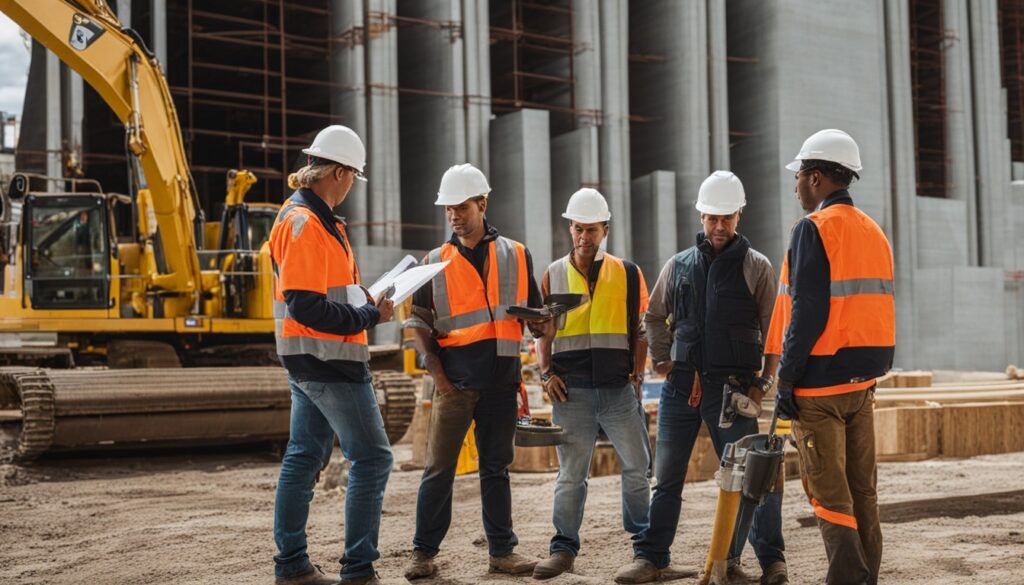
Building your dream home needs careful planning. This includes picking a skilled Contractor and getting the right financing. It’s important to choose the right builder and compare lenders to make your project successful and cost-effective.
Choosing the Right Builder
When picking a Contractor, do your homework. Check references and get several bids to make sure you’re paying a fair price. Don’t choose a builder just because they’re a friend of someone you know, even if they offer a low price. This can lead to big problems and delays.
Look for builders with lots of experience and a good reputation. They should have a history of doing quality work and finishing projects on time.
Securing Financing: Comparing Lender Options
Finding the right financing is key. Look into different Construction Loans and compare lenders to find the best rates and terms. This helps keep your construction budget in check and gives you the funds you need to build your dream home.
Cost-Saving Strategies for Home Plans
Building a new home can be costly, but choosing the right plan can help save money. Opting for pre-designed plans is a smart move. These plans have been tested and refined, making the building process smoother and avoiding costly mistakes.
Utilizing Pre-Designed Plans
Pre-designed plans might not offer the same uniqueness as custom homes. Yet, they are a wise cost-saving option. Builders have already worked out any issues, ensuring a quicker and more predictable build. This means big savings for homeowners.
Balancing Uniqueness and Resale Value
Many people want a home that shows off their style. But, it’s key to balance this with keeping the resale value in mind. A highly customized home might not appeal to everyone. By thinking about the resale value, you can make sure your home is a good investment, even if you sell it later.
Materials and Product Selection
Choosing the right building materials and finishes is key to your dream home’s cost and value. It’s important to balance saving money with keeping an eye on resale value and future growth. This balance helps you make smart choices.
Shopping for Materials and Finishes
Builders often give allowances for certain items, but you can find better deals elsewhere. Shopping online or at places like Habitat for Humanity’s ReStores can save you a lot. This way, you get quality materials without spending too much.
Considering Resale and Future Expansion
Think about how your choices will affect your home’s resale value. Choosing affordable options can save money now, but make sure they don’t lower your home’s appeal or functionality later. Also, consider if you might expand your home in the future. Pick materials that can adapt easily.
By balancing cost savings with thinking about resale and future needs, you can make a home that’s affordable and valuable over time. The secret is to research, compare prices, and think about what you need now and later.
Home Building: DIY vs. Professional Work
DIY home building can seem appealing because of the potential to save money. But, it’s important to know your limits. If you’ve only watched HGTV for home improvement tips, it’s wise to hire professionals.
Working with a licensed general contractor means your home will meet building codes. It also means you’ll have insurance and warranties. While doing it yourself might save 10-15%, the time and risks might not be worth it.
Doing some tasks yourself could save money, but know the trade-offs. Professional construction costs more upfront but offers peace of mind and quality work. The choice between DIY and professional work depends on your skills, resources, and project complexity.
Whether you go DIY or hire a pro, plan and budget carefully for your project. Think about the pros and cons to make a choice that fits your goals. This way, you’ll have a successful home building experience.
Communication and Collaboration with the Builder
Talking and working together with your builder is key to a smooth and budget-friendly home project. Always feel free to ask questions and check on construction details before they begin. This helps make sure things are done right the first time, saving you from extra costs later.
Keeping an open line with your builder helps spot ways to save money and tackle problems early. Working together lets you find new solutions, share your ideas, and make choices that fit your budget and taste.
Your builder is a key partner in building your dream home. Treat the relationship with respect and a team spirit. Good communication and teamwork can lead to savings and a smooth build from the beginning to the end.
Conclusion
Building a home on a budget needs a smart plan. By knowing the Home Building on a Budget costs, using Cost-Saving Strategies, and planning your budget, you can cut down costs. This Comprehensive Guide gives you steps to follow for a successful home build within your budget.
With good planning and making smart choices, you can make your dream home affordable. This guide offers tips and advice to help you save money. You’ll learn how to build a beautiful home that’s also budget-friendly.
With the right mindset and tools, building an affordable home is possible. Follow the advice in this guide to make your dream home a reality without spending too much. Start your journey to affordable home ownership today.

